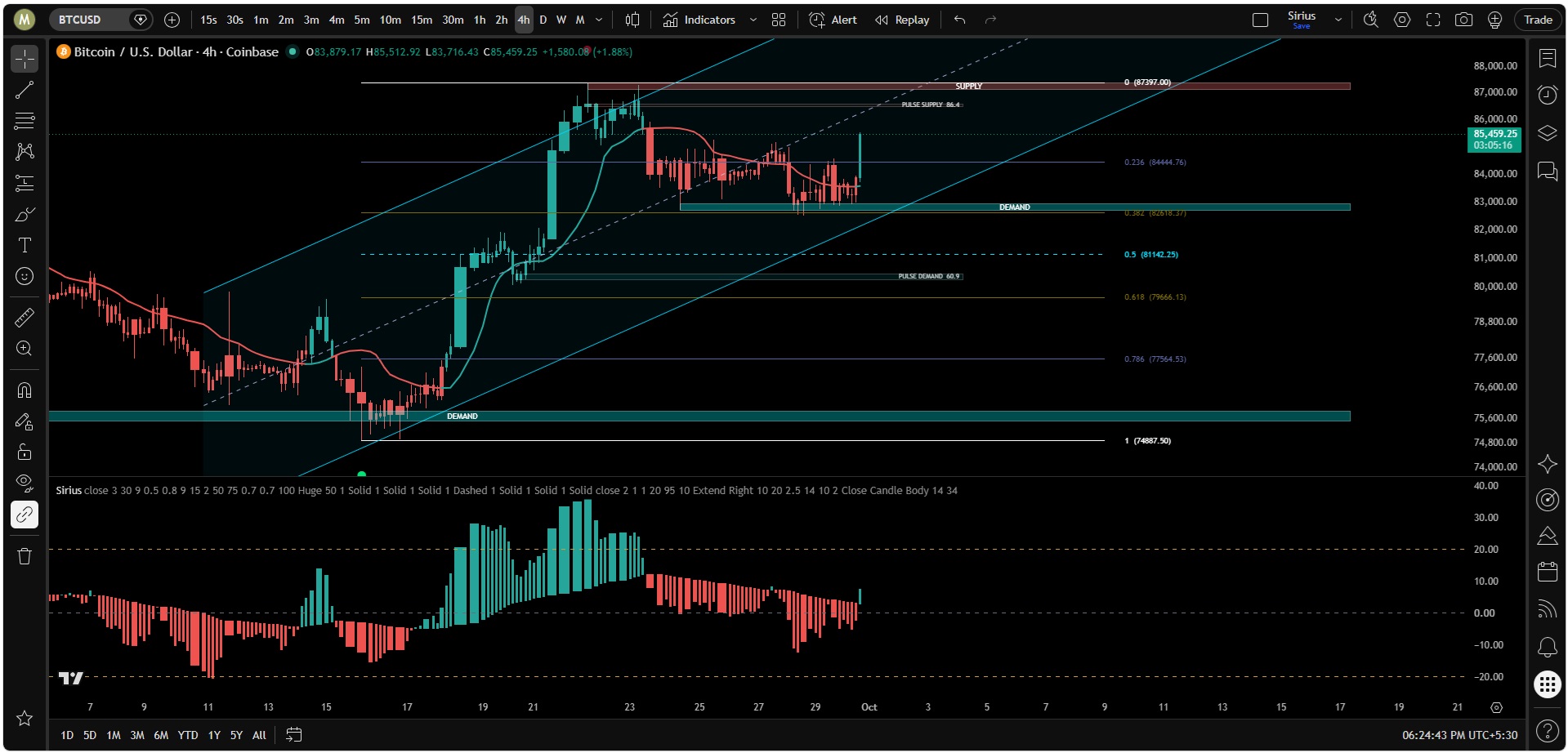
Description
Overview
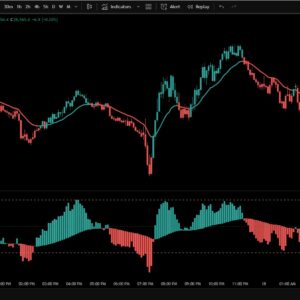
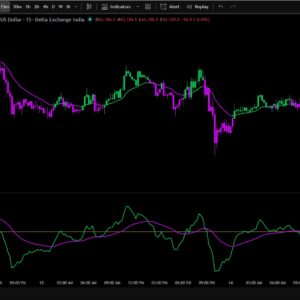
Sirius is the brightest star in the night sky — the one navigators and early astronomers relied on because it is impossible to miss. This indicator was built in the same spirit: to cut through the noise of the chart and show the trader, clearly and immediately, what matters. Most indicators answer one question. Sirius answers the four that every trader asks before every trade: which side of the market am I on, where does price sit within its structure, where are the zones that matter, and is momentum with me or against me. It answers all four at once, on one chart, from one indicator — and it does so with an engine that adapts to the market in front of it instead of asking the market to fit a fixed setting.
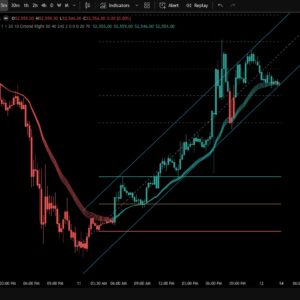
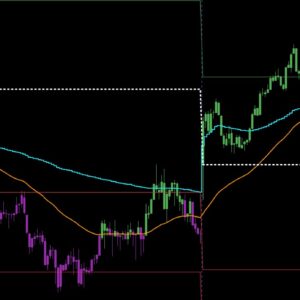
At its core sits the Sirius engine: a volatility-adaptive moving average, re-shaped by a nonlinear filter, and judged by a percentile-based breakout test that decides when the market has genuinely changed character. Around that engine, Sirius wraps a complete structural toolkit — auto Fibonacci, an adaptive regression channel, pivot-based supply and demand zones, momentum-confirmed zones, and a Heikin-Ashi RSI oscillator. Sirius does not predict the future, and no honest tool can. What it does is remove the guesswork from reading the present. Few indicators bring this much together without turning the chart into noise; Sirius was engineered so that every layer earns its place.
Concept
The idea behind Sirius is simple: a trend reading is only useful if it is both responsive and stable. A fast moving average reacts quickly but whipsaws in noise. A slow one stays calm but arrives late. Most traders are forced to choose. Sirius refuses the choice. Its trend line speeds up when the market is moving with purpose and slows down when the market is quiet, and its regime only changes when price travels far enough from that line to prove the move is real — measured against the market’s own recent behaviour, not a fixed number of points.
The second half of the concept is context. A trend signal on its own tells you direction, but not location. Sirius pairs its regime engine with the structure a trader needs to act on it: where the key retracement levels sit, where statistical fair value lies, and where supply and demand have previously shown their hand. Direction, location and momentum, all from one source.
Why It Stands Out
Its engine thinks in three stages. Adaptive speed, nonlinear filtering and percentile-based confirmation are each strong ideas on their own. Stacked together, they produce a trend reading that is fast when it needs to be, calm when it should be, and hard to fool.
Its thresholds are self-calibrating. The breakout test is measured against the market’s own recent behaviour, so the same logic adapts across instruments as different as Nifty, NQ and Bitcoin without being rebuilt for each.
It is a complete workstation in one script. Regime, Fibonacci, regression channel, two independent zone systems and a momentum oscillator would normally mean five or six separate indicators competing for chart space. Sirius delivers them as one coordinated instrument, with every module individually switchable so the chart shows exactly what the trader wants and nothing more — and a one-click Scalper Mode that clears everything but the engine and the oscillator when the market demands speed.
Its zones are disciplined. Broken zones are removed, duplicates are suppressed, and a clear Helix-over-Pulse hierarchy keeps overlapping information from cluttering the chart. Taken together, it is a genuine marvel of an indicator — not because it claims to see the future, but because of how much clarity it delivers from a single chart.